2018 in Review
A Multitude of Interfaces
Up to the release of macOS Mojave, I spent a lot of time experimenting with keeping as much of my work inside of a terminal as possible. I rewrote scripts and workflows to be friendly to a terminal session, and became comfortable enough with neovim to use it as a primary text editor. Having grown up using MS-DOS and being comfortable with a Unix command-line for a couple of decades, doing this was not a painful experiment. But while there are some advantages of working within the terminal, there are a number of disadvantages to it as well.
Upon some deep reflection, I concluded that the reason I kept being drawn to the terminal was not due to any inherent advantage of the terminal itself, but due to my unhappiness with the current macOS GUI setup. macOS has been my operating system of choice since college, but the current trends of desktop UI design were not catching on with me. The macOS desktop design was not stagnating, but it was also not evolving in a way that meshed with what I was looking for.
When I realized what made me unhappy about the GUI and what I enjoyed with the terminal, I set out to try and combine the two in a meaningful way. In practice, this meant taking the keyboard-centric interactions of the terminal and applying them to GUI applications. This required some careful selection of applications, although a lot of what I already used was friendly to this.
At the end of this experimentation, I am much happier with how I use my Mac. I kept drawing a distinction between the terminal and GUI environment, but taking the advantages of both sides and figuring out how they can be applied to each other has been fun and worthwhile. It also makes me more comfortable with the direction Apple currently is on with the operating system as a whole, as my workflow might require a little more effort, but it still works well and should continue to do so into the future.
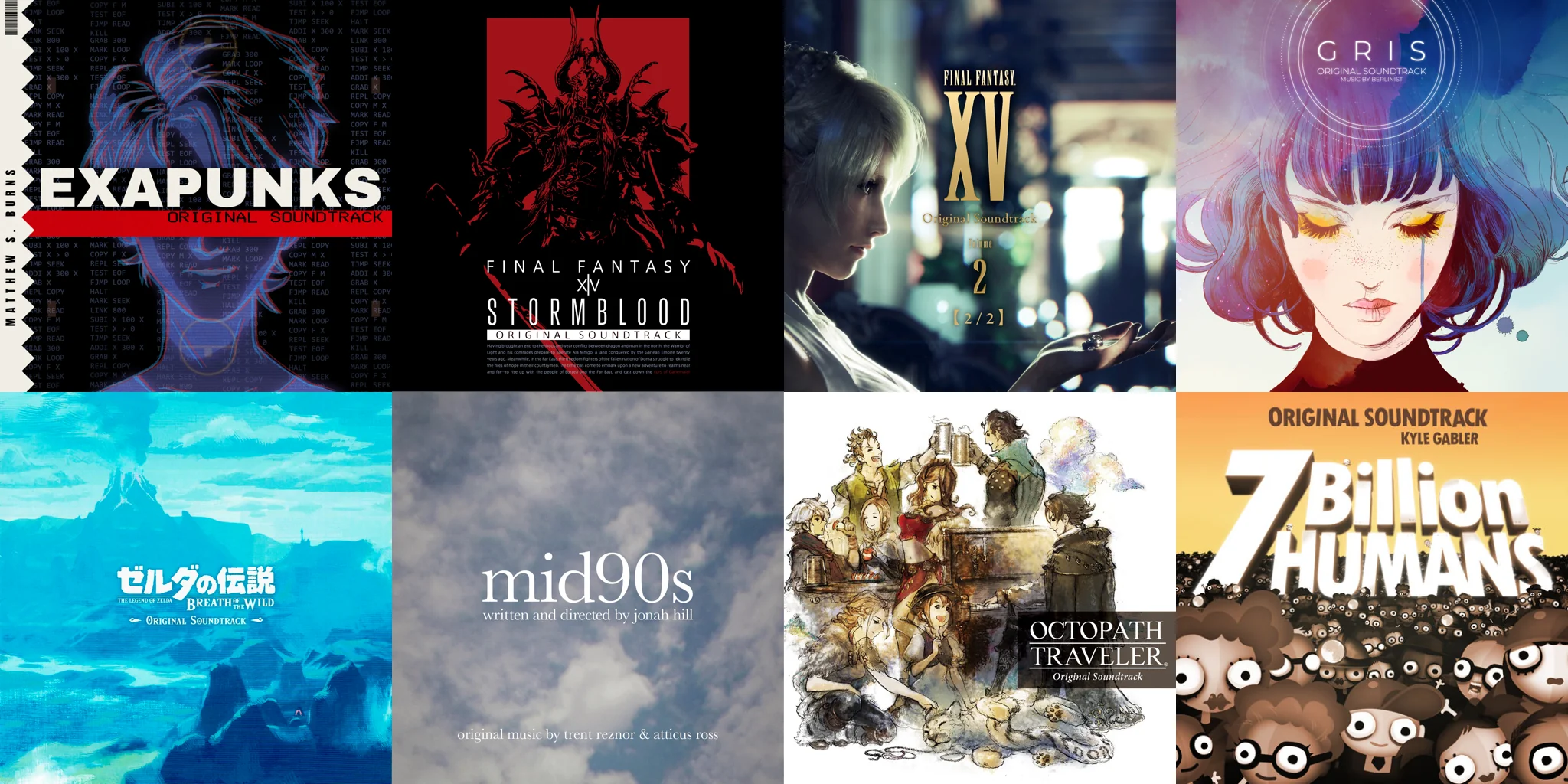
Favorite Albums
- Exapunks, by Matthew S Burns
- Final Fantasy XIV: Stormblood, by Masayoshi Soken
- Final Fantasy XV: Volume 2, by Yoko Shimomura
- Gris, by Berlinist
- The Legend of Zelda: Breath of the Wild, by Manaka Kataoka, Yasuaki Iwata, and Hajime Wakai
- Mid90s, by Trent Reznor and Atticus Ross
- Octopath Traveler, by Yasunori Nishiki
- 7 Billion Humans, by Kyle Gabler
Favorite Games
One of the central themes for gaming this year has been games with strong soundtracks. All four of my favorite games have soundtracks that I regularly listen to. They are also games that are very deep, and ones I plan to revisit very soon to invest more time in.
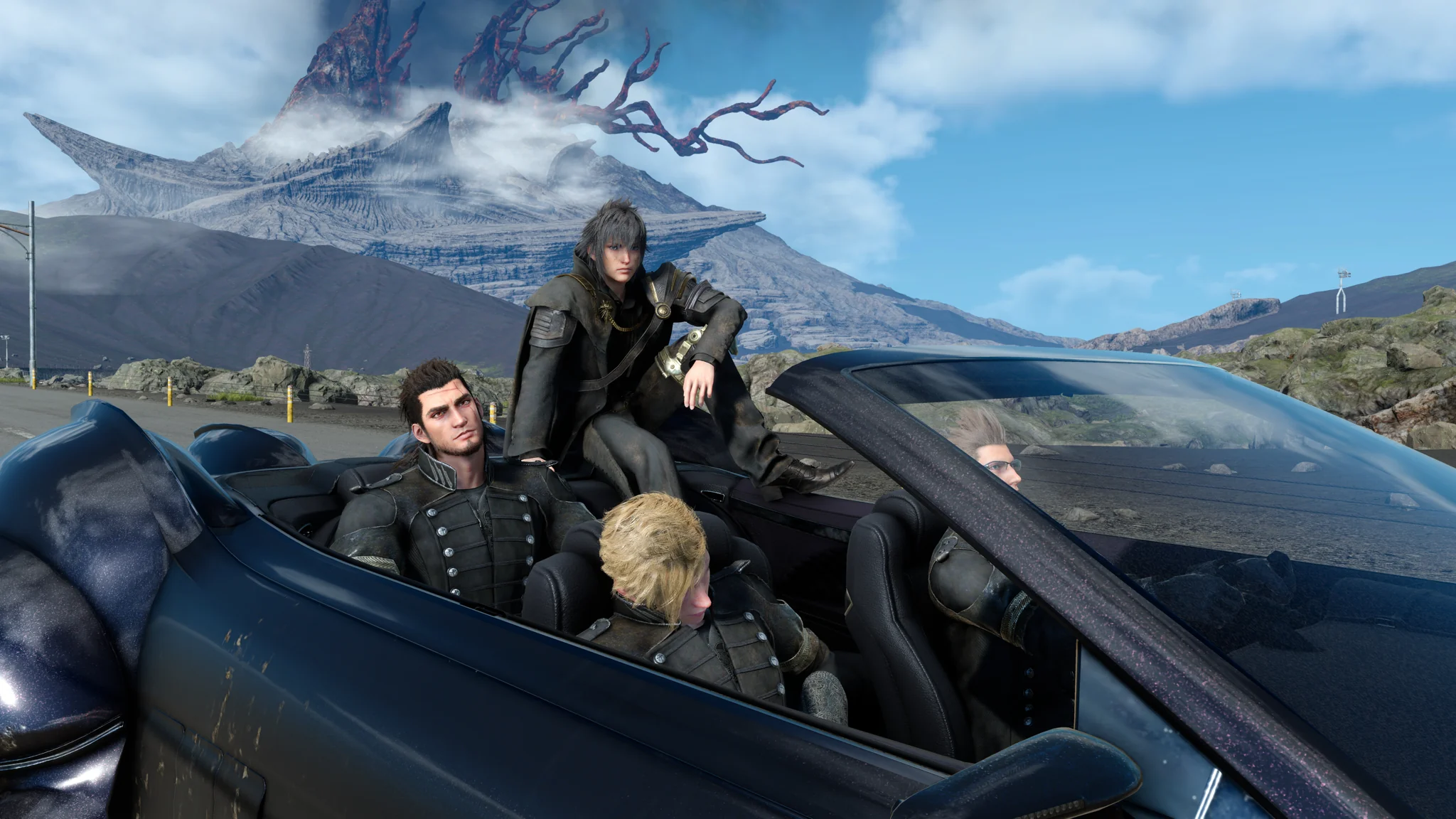
For a game that had such a troubled history, Final Fantasy XV turned out to be one of my favorite Final Fantasy games in the whole series. It is a flawed game, but it hits more high points than low. Yoko Shimomura's soundtrack is the biggest element that kept me reeled in. Her music stands up with the best of Uematsu's, and without it, I don't think I would have enjoyed the game quite as much as I did.
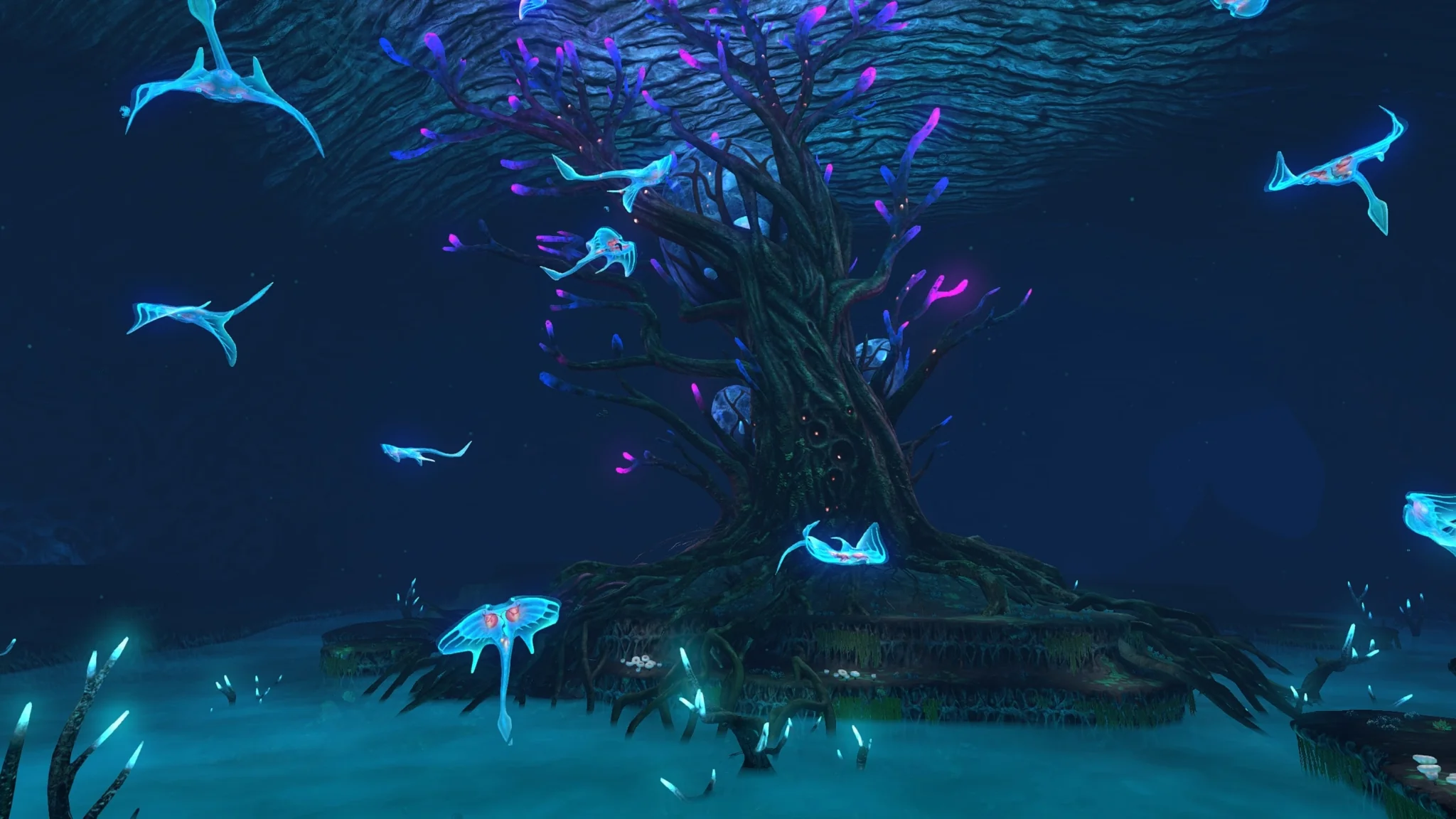
The survival genre is one I have passed on previously. Most survival games look more tedious than fun, and not focused on the action. The only reason I gave Subnautica a chance is that it is made by Unknown Worlds, the creators of one of my favorite multiplayer games, Natural Selection. As great of a game as Natural Selection was, Subnautica was even better. Everything design-wise in the game is perfect, from the story, survival mechanics, base building, and sound and visual design.
The experience moved me so much that while I want to play it again, I am afraid that the second time around will not feel as magical due to the lack of discovery. But I am looking forward to the stand-alone expansion being released next year, and hope it can meet the greatness of this first game.
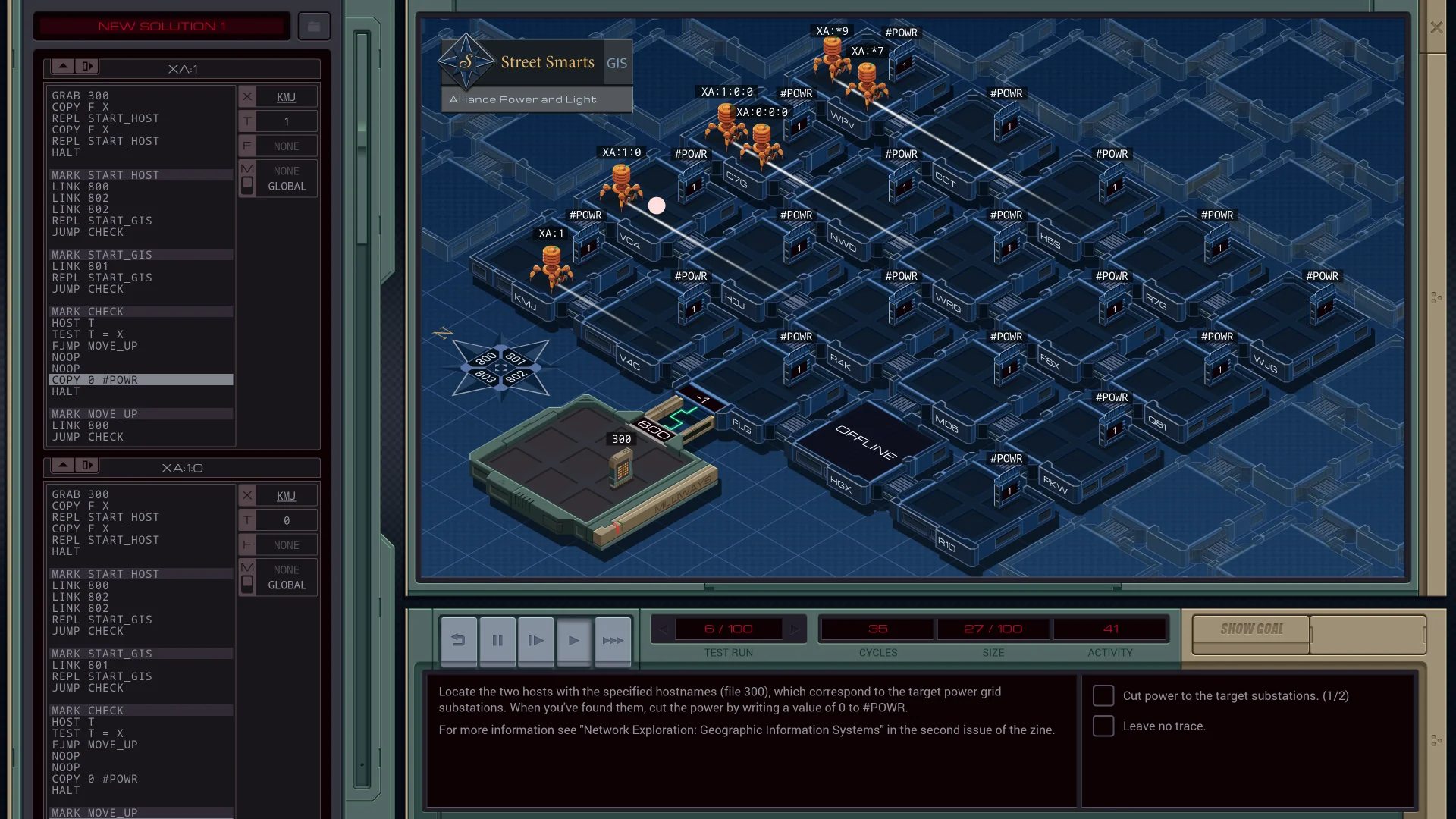
Zachtronics games have a certain quality that no other "programming game" has matched. Most of their games are based around an artificial programming language or platform that ends up looking like programming on the surface but is really a puzzle game. All of their games are fun, but Exapunks takes things to the next level. The soundtrack and graphics are better than anything Zachtronics has put out before. The game has a distinctive 1980's cyberpunk vibe to it, which fits with the William Gibson and Neal Stephenson novels I have been reading this year. Like Shenzhen I/O before it, I expect to come back to this game again in a few years.
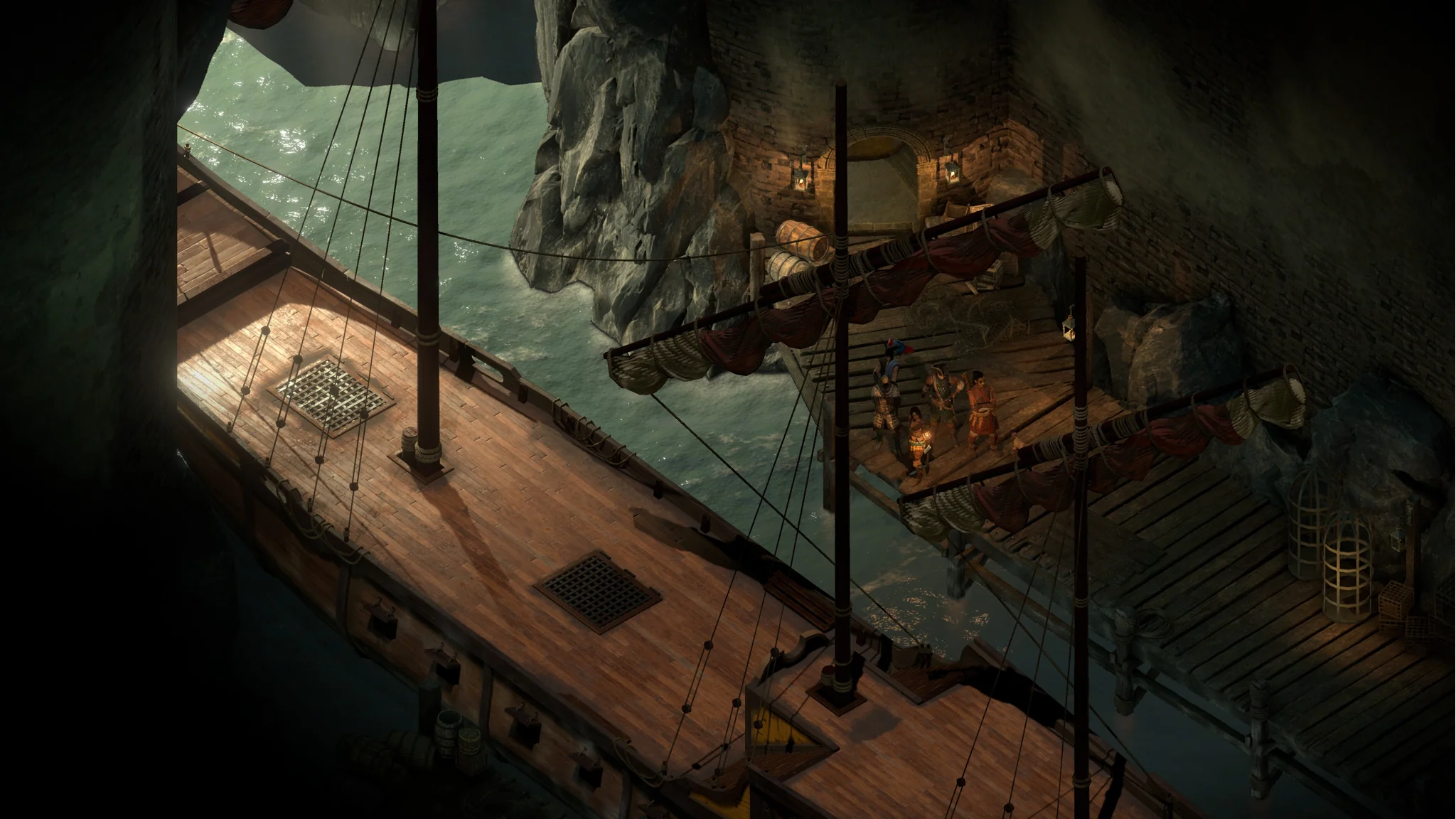
Games from Obsidian Entertainment rarely disappoint, and Pillars of Eternity II is no except to this. The first game was a great return to form for the CRPG genre, and the sequel takes it to all new heights. Everything in the game was done well, from the story to the combat to the music. With Obsidian's buy-out by Microsoft, its unclear whether another Pillars of Eternity game will come out. As it stands, the series stands amongst the best of the CRPG genre.
updated: 2018-12-31